
HOME / INSIGHTS / no show fee restaurant NYC
The No-Show Problem: How NYC Restaurants Can Use Deposits and Prepaid Experiences to Protect Revenue
BY ADMIN · UPDATED SEP 2026
QUICK ANSWER
An empty table that was supposed to be full is one of the most expensive things that can happen during a restaurant’s busiest hours, and it’s largely preventable. A no-show doesn’t just cost the revenue from that party. It costs the revenue from every other guest who was turned away because the table looked booked.
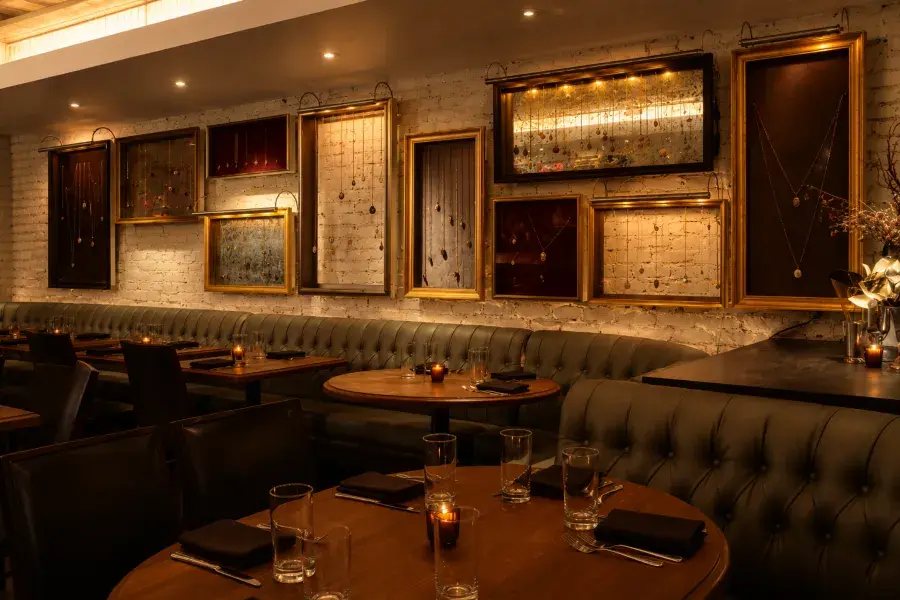
An empty table that was supposed to be full is one of the most expensive things that can happen during a restaurant’s busiest hours, and it’s largely preventable. A no-show doesn’t just cost the revenue from that party. It costs the revenue from every other guest who was turned away because the table looked booked.
The data behind this problem
OpenTable, which sits on more reservation data than almost anyone else in the industry, has found that letting guests prepay for structured dining experiences, chef’s tables, tasting menus, and themed nights can reduce no-shows by as much as 44 percent. That’s not a marginal improvement. For a restaurant running a tight Friday or Saturday service, cutting no-shows by that much can mean the difference between a night that felt full and a night that was booked full on paper but wasn’t in the dining room.
The same data shows a broader shift in how people are booking in the first place. Use of OpenTable’s “Notify Me” feature, which alerts guests when a previously unavailable time slot opens up, is up 84 percent year over year, concentrated heavily in cities including New York. That’s a sign of two things happening at once: demand is real and often exceeds supply at popular restaurants, and diners are increasingly comfortable booking spontaneously rather than planning weeks, which is covered in more detail in the piece on spontaneous dining.
Why deposits work better than just asking nicely
A polite confirmation text the day before a reservation helps, but it doesn’t change the guest’s actual incentive. A deposit does. Once money is already on the table, a guest weighing whether to cancel a reservation they’re on the fence about is making a different calculation than one who has nothing at stake.
This doesn’t mean every table needs a deposit. It means the tables most worth protecting- large parties, peak Friday and Saturday dinner slots, holiday and special-event bookings- are exactly the ones where a deposit or prepaid structure makes the most operational sense, since those are also the reservations where a no-show does the most damage.
How to introduce this without alienating guests
Start with your highest-risk reservation types, not your entire book. Large parties and peak weekend dinner slots are where no-shows hurt the most and where guests are generally most understanding of a deposit requirement, since it’s a familiar practice for group bookings even outside restaurants.
Frame it as protecting the experience, not distrust of the guest. Language matters here. “A small deposit holds your table and goes toward your bill” reads very differently than “a fee for booking with us,” even though the mechanics might be identical.
Consider a genuinely prepaid experience rather than a plain deposit for special occasions. A prepaid chef’s table or tasting menu isn’t really a deposit at all; it’s a ticket, and framed that way, it tends to generate less pushback than a deposit on an ordinary dinner reservation would.
Make the cancellation and refund policy completely clear before the guest commits. Ambiguity here is what actually generates guest frustration, not the existence of a deposit itself. A guest who knows exactly what happens if their plans change is far more forgiving than one who feels blindsided by a fee after the fact.
Track your actual no-show rate before and after, by reservation type. Without a real number, it’s hard to know whether the change is working or whether guests are simply booking elsewhere. Comparing no-show rates for deposit-protected slots against your standard reservations gives you a genuine before-and-after picture.
The other side of the same coin: capturing spontaneous demand
No-show protection and same-day booking capability are really two sides of the same operational problem: making sure the tables you have are actually filled by people who show up. If you’re tightening your no-show policy on one end, pairing that with real-time availability visibility on the other, so a table that opens up from a cancellation gets filled quickly by a spontaneous booker, closes the loop instead of just reducing losses.
Where this fits into your systems
This is fundamentally a CRM and reservation systems conversation as much as it’s a policy change. Tracking no-show patterns by guest, by reservation type, and by day of week over time turns a one-time policy decision into an ongoing, data-informed practice, and it pairs naturally with broader reservation strategy work if you’re already rethinking how guests book with you.
FREQUENTLY ASKED QUESTIONS
OpenTable’s data shows that allowing guests to prepay for structured dining experiences can reduce no-shows by up to 44 percent, a meaningful improvement for restaurants running tight peak-hour service.
No. It makes the most sense for the reservations where a no-show hurts most: large parties, peak Friday and Saturday dinner slots, and holiday or special-event bookings, rather than every table across the board.
Not if it’s framed clearly. Language that presents the deposit as holding the table and counting toward the final bill tends to generate far less pushback than language that reads as a fee or a sign of distrust.
A deposit holds a standard reservation and applies to the bill. A prepaid experience, like a chef’s table or tasting menu, functions more like a ticket purchase, which guests generally accept more readily since it’s a familiar format for a special occasion.
Track your no-show rate specifically for deposit-protected reservations against your standard bookings over time. A real before-and-after comparison, not just a general impression, tells you whether the policy is reducing losses or simply pushing guests to book elsewhere.