The Rise of Spontaneous Dining: Why NYC Restaurants Need a Same-Day Booking Strategy
BY ADMIN · UPDATED SEP 2026
QUICK ANSWER
The way people decide where to eat is changing shape. A meaningful and growing share of diners aren’t planning their dinner two weeks out anymore. They’re deciding that afternoon, sometimes that hour, and restaurants that can’t be found and booked in that moment are losing guests who were genuinely ready to walk through the door.
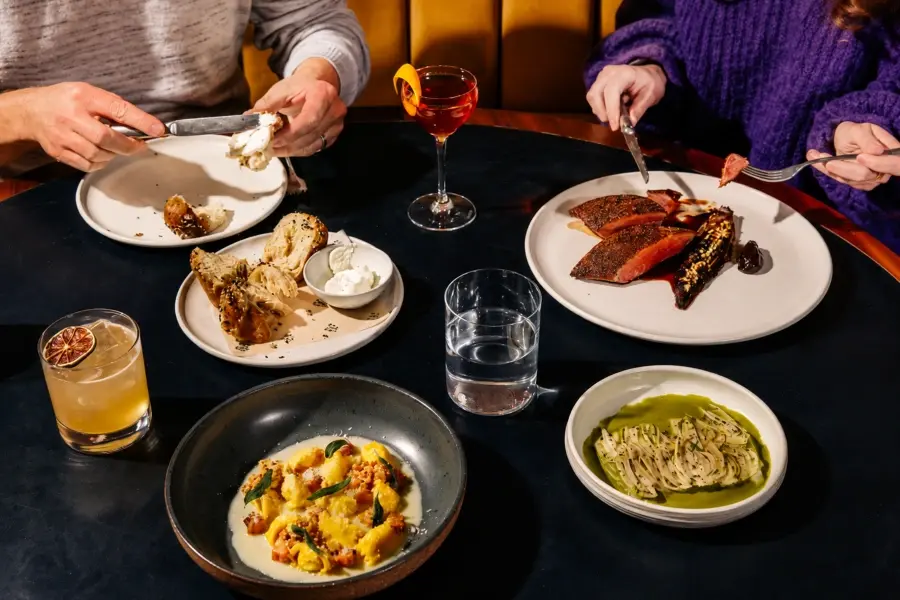
The way people decide where to eat is changing shape. A meaningful and growing share of diners aren’t planning their dinner two weeks out anymore. They’re deciding that afternoon, sometimes that hour, and restaurants that can’t be found and booked in that moment are losing guests who were genuinely ready to walk through the door.
The data behind the shift
OpenTable has tracked an 84 percent year-over-year increase in use of its “Notify Me” feature, which alerts guests the moment a previously unavailable reservation slot opens up. That’s not a marginal shift in behavior; it’s a substantial jump, and it’s concentrated heavily in dense, high-demand dining markets including New York.
This pairs with a broader willingness to simply show up. OpenTable’s research found that diners are increasingly comfortable waiting for a table as walk-ins when a spontaneous plan doesn’t line up with available reservations, with an average acceptable wait time of around 39 minutes. That’s a meaningful data point for staffing and hosting decisions: guests aren’t just booking last-minute; they’re willing to stand by for a table if the alternative is walking away disappointed.
Separately, the same research found nearly half of Americans expect to see more spontaneous dining experiences shape their year, which suggests this isn’t a temporary blip but a genuine shift in how people are approaching where and when to eat out.
Why this matters more in NYC specifically than almost anywhere else
New York’s density means spontaneous decisions have more viable options than almost any other American city. A guest standing on a corner deciding where to eat right now has dozens of realistic choices within a few blocks, which means the restaurant that’s easiest to find and book in that exact moment has a real structural advantage over one that isn’t, regardless of which is actually better.
This is fundamentally different from the technology layer covered in the piece on AI-powered reservation systems, which is about the booking infrastructure itself. This is about the marketing and content behavior needed to capture spontaneous demand once that infrastructure already exists, which is a separate, often overlooked half of the equation.
What restaurants with variable availability should actually do
Post real-time availability, not just your general vibe, on social media. A story or post that says “table for two open right now” solves an immediate problem for someone actively deciding where to go, in a way a generic photo of your dining room never will.
Make sure your online booking system actually reflects current availability, not stale information. A guest checking a reservation platform who finds it doesn’t match reality, either showing availability that’s actually gone or vice versa, simply moves on to the next option. In a market with this much choice, there’s no patience for a booking system that isn’t accurate in the moment.
Train your host stand for a walk-in-friendly mindset, not just a reservation-first one. If diners are increasingly willing to wait around 39 minutes for a table, a host who can clearly communicate an honest wait time and manage that wait well is capturing real, willing demand rather than turning it away.
Consider a specific, promoted “walk-in welcome” window during traditionally slower service periods. If your restaurant has predictable lulls, framing that window specifically for spontaneous, no-reservation guests can convert what would otherwise be dead time into real covers from exactly the audience this trend describes.
Keep your Google Business Profile posts current in real time, not just seasonally. A guest searching “restaurants open near me right now” is deciding within minutes, and a profile with fresh, accurate information wins that decision more often than one that hasn’t been touched in weeks.
This is the marketing half of a technology conversation
If you’ve already invested in the reservation technology covered elsewhere on the blog, this is the piece that actually captures the return on that investment. Technology that can surface real-time availability only helps if guests actually see it at the moment they’re deciding, which is a social and content problem as much as a technical one. The same logic applies to building an owned reservation pipeline rather than relying entirely on third-party platforms to surface your availability to spontaneous diners.
FREQUENTLY ASKED QUESTIONS
OpenTable has tracked an 84 percent year-over-year increase in use of its “Notify Me” last-minute availability alerts, concentrated heavily in dense dining markets including New York.
OpenTable’s research found an average acceptable wait time of around 39 minutes, suggesting guests are willing to stand by rather than immediately leave if a spontaneous plan doesn’t align with available reservations.
It’s a broader national shift, but NYC’s density makes it especially relevant, since a guest deciding spontaneously has dozens of realistic dining options within a few blocks, giving an edge to whichever restaurant is easiest to find and book in that moment.
Reservation technology is the infrastructure. This is about the marketing and content behavior, posting real-time availability, keeping listings current, that actually gets that infrastructure in front of a spontaneous diner at the moment they’re deciding.
Start posting genuine real-time availability on social media and keeping your Google Business Profile current day to day, since a guest deciding within minutes is far more likely to choose a restaurant that shows accurate, fresh information right now.