
The $26.99 All-You-Can-Eat Buffet Is Back in NYC: Why Value Formats Are Returning to a City That Priced Out Its Regulars
QUICK ANSWER
A new Southern country buffet is opening in New York at $26.99 all you can eat, and its owners are explicit that the point is affordability. In a market where 82 percent of diners say prices rose, a deliberately cheap format is a strategic signal worth reading carefully.
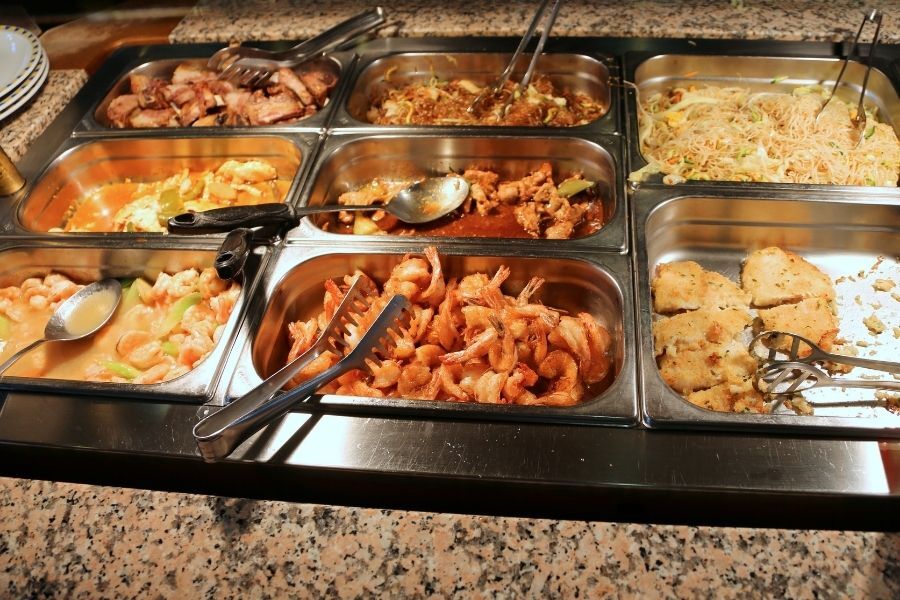
The Kisa team is reviving the country buffets its founders grew up with around Atlanta: fried chicken, rib tips, collard greens, mac and cheese, rotating Southern specials, carpet and drop ceilings kept deliberately faithful to the form. The price is $26.99, all you can eat. Owner David Yun put the reasoning plainly to Eater, asking what it would mean to bring an affordable country buffet back to the city now that things are so expensive. It would be easy to read this as a novelty. It is more useful to read it as a bet on where the market is going, because the data behind it is strong.
What the numbers say about price fatigue
The gap between what restaurants charge and what guests think is fair has become the central problem of the year.
|
Finding |
Figure |
Source |
|
Diners saying restaurant prices rose in the past year |
82 percent |
YouGov 2026 |
|
Diners who consider current prices fair |
28 percent |
YouGov 2026 |
|
Diners going out less often than a year ago |
37 percent |
YouGov 2026 |
|
Lower income households cutting back |
44 percent |
YouGov 2026 |
|
Consumers reporting less restaurant spend than last quarter |
36 percent |
National Restaurant Association Q2 2026 |
|
Consumers who still dined out in the past week |
56 percent |
National Restaurant Association Q2 2026 |
Read those last two together. Most people are still eating out. They are being far more deliberate about it. That is a value problem, not a demand problem, and the distinction decides what you should do about it.
Why is a cheap format a smart bet right now?
Because certainty sells when confidence is low. A fixed price all you can eat removes every uncertainty a nervous diner has: what it will cost, whether it will be enough food, whether the bill will surprise them. In a city where sales tax runs 8.875 percent, service charges are now disclosed under a rule that took effect in April, and a tip sits on top of both; a single number on the door is a genuine relief. That is the mechanism worth stealing. It is not the buffet. It is the elimination of doubt.
Does this mean you should cut your prices?
No, and this is where most operators get it wrong. A discount and a value offer are different products. A discount lowers what you charge for the same thing and teaches regulars to wait for it. A value offer changes the structure of what you sell so the guest can see exactly what they are getting. We argued this at length in our piece on the happy hour comeback and value seeking, and the buffet story is the same argument at the opposite end of the market. OpenTable's own read is that diners are redefining what feels worth it rather than chasing the lowest price. Those are different guests requiring different responses.
|
Approach |
What the guest hears |
What it does to your margin |
|
20 percent off the menu |
This is usually overpriced |
Cuts margin on demand you already had |
|
Fixed price set menu |
I know exactly what this costs |
Protects margin, controls food cost per cover |
|
Added value at the same price |
They gave me something extra |
Holds price integrity, small controllable cost |
|
Cheaper ingredients, same price |
This got worse |
Loses the regular who noticed |
What does a value format look like if you are not a buffet?
Four structures work in a Manhattan room without damaging what you have built.
- A genuine set menu at a fixed price, priced for the margin you need rather than as a markdown, with two or three choices per course.
- One anchor dish that is deliberately generous and deliberately cheap to produce, which does the value signaling for the whole menu.
- A bar or counter price point that is lower than your tables, so one room serves two budgets without discounting either.
- An early evening window with its own short menu, which captures the 4 pm to 5 pm shift OpenTable has tracked rising by double digits as diners look for more for their money.
The menu engineering underneath all four is the same work covered in our margin protection guide: pair high margin items with low cost presentations, cut the dishes that sell moderately and destroy margin, and review the menu as a financial document monthly rather than quarterly.
What is the risk in going after value guests?
Attracting people who only ever come for the cheap thing. A value format works when it introduces someone to your kitchen and gives them a reason to come back at full price. It fails when it becomes the only reason anyone visits. The way to know which is happening is to track it. If a guest first came in for a set menu on a Tuesday and later booked a Saturday dinner, the format is working. If they only ever appear for the offer, it is not. That requires the segmentation covered in our guest data and CRM guide, not a guess at the end of the month. Limiting the window helps too. A value offer available every night at the same hours stops reading as an occasion and starts reading as your real price under different lighting.
Where this fits in October
Late October is exactly when value positioning matters most, because holiday spending is about to compete for the same wallet. A fall set menu launched now, with holiday bookings opening behind it, gives you a full month of covers instead of a scramble in late November. That sequence is the one we mapped in our Halloween to Thanksgiving guide, and the slow night version of it is in our piece on Tuesday revenue.
How do you price a set menu so it actually protects margin?
Work backwards from food cost per cover rather than down from your a la carte prices. A set menu is one of the few things on your menu where you control exactly what leaves the kitchen, which means you can hold food cost inside a tight band if you build it that way.
- Choose courses that share prep with your regular menu, so the offer does not create a second kitchen.
- Put your generous, cheap to produce item at the center. Something with a high perceived value and a low plate cost carries the whole thing.
- Limit choice to two or three options per course. Every additional option adds waste and slows the pass.
- Price it against your target margin, then check it looks like value. If those two numbers cannot meet, the menu structure is wrong, not the price.
The common error is copying a competitor's price and hoping the cost works out. A set menu priced below your own break even fills seats and loses money faster than an empty room does, because every cover carries a loss instead of just a fixed cost.
The takeaway
A $26.99 buffet opening in Manhattan is not a step backward for the city's dining scene. It is an accurate reading of a market where most people still want to eat out and far fewer feel good about what it costs. The operators who respond by cutting prices will damage their own position. The ones who respond by making the value legible, through structure rather than discounts, will pick up the frequency everyone else is losing.
My Chef Social helps NYC restaurants build value offers that protect price integrity and actually convert first visits into regulars. Get in touch if you want your fall and holiday menus positioned before the spending shifts.
FREQUENTLY ASKED QUESTIONS
The team behind Kisa is opening a Southern country buffet reviving the all you can eat format its founders grew up with around Atlanta, priced at $26.99, with fried chicken, rib tips, collard greens, mac and cheese and rotating specials. The owners have framed it explicitly as a response to how expensive the city has become.
They are spending more carefully rather than staying home. YouGov found 82 percent of diners saying prices rose and only 28 percent calling them fair, with 37 percent going out less often, while National Restaurant Association Q2 2026 data found 56 percent still dined out in the past week.
No. A discount lowers the price of the same thing and trains guests to wait for it. A value offer changes what you sell, usually through a fixed price structure, so the guest can see exactly what they get without you giving up margin on demand you already had.
A genuine fixed price set menu, one deliberately generous anchor dish that is cheap to produce, a lower price point at the bar or counter than at tables, or an early evening window with its own short menu.
Track whether those guests return at full price. A guest who first visits for a set menu and later books a regular dinner is the outcome you want, and you can only see that pattern with segmented guest data rather than monthly totals.
No. Limiting it to specific days or a tighter window keeps it reading as a deliberate occasion. Running it constantly turns it into your actual price and removes the reason to visit at any other time.