UN General Assembly and Climate Week NYC 2026: Turning September’s Biggest Security Lockdown Into Your Best Week
BY ADMIN · UPDATED SEP 2026
QUICK ANSWER
Every September, roughly one hundred heads of state, ten thousand diplomats, and thousands of corporate and NGO representatives descend on Midtown East for the United Nations General Assembly. Most restaurant content treats this week as pure inconvenience, gridlock, checkpoints, canceled rideshares. For restaurants in the footprint, it’s also one of the highest-spending, most business-dense weeks of the entire year, and almost nobody in restaurant marketing talks about it that way.
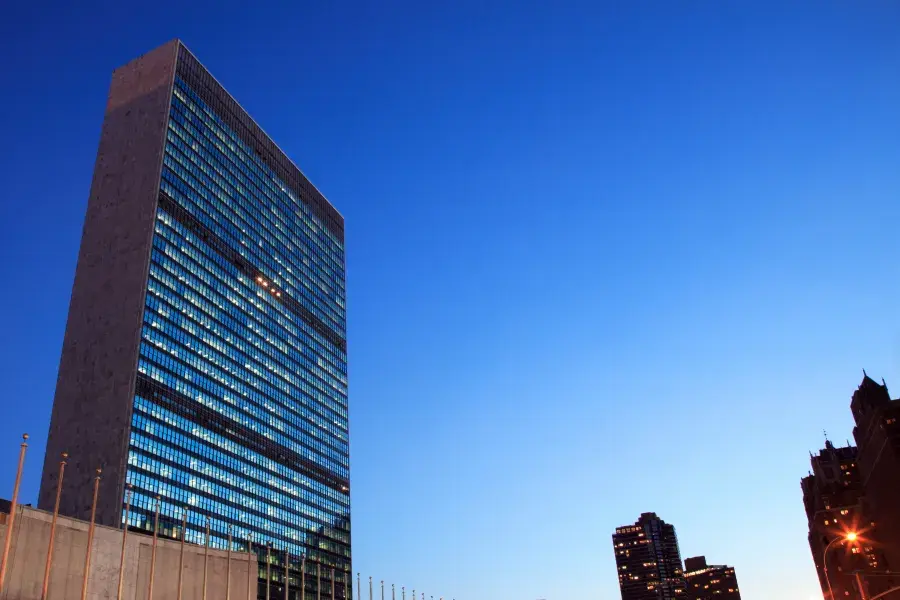
Every September, roughly one hundred heads of state, ten thousand diplomats, and thousands of corporate and NGO representatives descend on Midtown East for the United Nations General Assembly. Most restaurant content treats this week as pure inconvenience, gridlock, checkpoints, canceled rideshares. For restaurants in the footprint, it’s also one of the highest-spending, most business-dense weeks of the entire year, and almost nobody in restaurant marketing talks about it that way.
The actual 2026 schedule
The 81st session of the UN General Assembly opens Tuesday, September 8, 2026. That’s a formal opening, not the disruptive part yet. The real citywide impact arrives during High-Level Week, running September 22 through 28, when the General Debate brings the bulk of heads of state and their delegations to the UN headquarters at First Avenue and 42nd to 48th Streets.
Climate Week NYC overlaps directly with this, running September 20 through 27, bringing its own wave of corporate sustainability leaders, philanthropic organizations, and side events across the city, layering onto the same hotel and restaurant demand as High-Level Week rather than competing with it. Together, that’s roughly a ten-day window, September 19 through 28 if you count the security buildup, where Midtown East operates under conditions unlike any other week of the year.
What actually happens on the ground
The NYPD closes First Avenue between 42nd and 48th Streets, restricts cross streets between First and Second Avenues, and runs rolling FDR Drive closures for head-of-state motorcades throughout the week. Traffic in Midtown during General Debate has been measured averaging around four miles an hour. Rideshare drivers routinely decline or cancel trips into the East 40s during this period because they can’t navigate the checkpoints, and street hails inside the security zone become scarce.
The exact frozen-zone map and street closure list typically aren’t published until days before High-Level Week begins, and the pattern can shift daily depending on which head of state is moving through the area. This unpredictability is exactly why restaurants near the UN need a different operating posture that week, not just a normal week with worse traffic.
Why this is a revenue opportunity, not just a headache
Delegations, NGO staff, corporate sustainability teams, and the support apparatus around all of them still need to eat, and many of them are on expense accounts with limited time and a strong preference for anywhere within walking distance of wherever they’re stationed that day. A restaurant a few blocks outside the frozen zone, close enough to be convenient but far enough to avoid the worst of the checkpoints, is in a genuinely enviable position if it knows how to communicate that.
This is a fundamentally different guest than your typical Tuesday. These are diners who value speed, discretion, and reliability over discovery. They’re not looking for the most photogenic new opening. They’re looking for a restaurant that can seat them quickly, feed them well, and get them back to wherever they need to be next.
What restaurants near the UN should actually do?
Map your restaurant’s position relative to the frozen zone now, not the week it happens. Knowing whether you’re inside, adjacent to, or comfortably outside the typical closure area lets you set accurate guest expectations about how to actually reach you, which matters more this week than any promotional offer.
Communicate transit alternatives directly. A simple note on your website or Google Business Profile suggesting guests approach from the west side of Second Avenue, or noting the nearest subway entrance that avoids the worst of the congestion, solves a real problem for a guest trying to plan a lunch meeting during a week when their usual navigation habits don’t work.
Consider your reservation policy for this specific week. Diplomatic and corporate schedules during UNGA are notoriously unstable, with meetings running over or being rescheduled with little notice. A slightly more flexible cancellation policy for this window specifically, communicated clearly, can turn a scheduling headache into a reason a guest chooses you over a stricter competitor.
Don’t expect your usual weekday pattern to hold. Regular office workers in the area may avoid the neighborhood entirely that week, even as delegation-adjacent traffic increases. The net effect on covers can go either direction depending on how close you are to the actual UN footprint, which makes this a week to watch closely rather than assume.
Where this fits into your calendar
This follows the same logic that’s worked for other dense, dated NYC events like the Tony Awards and the citywide planning approach covered in the NYC restaurant marketing calendar. It’s a different flavor of the same idea covered in the US Open dining guide: a predictable, dated surge in a very specific kind of high-value guest, one most restaurants never think to plan around because it doesn’t look like a typical tourist event.
If your restaurant sits anywhere near Midtown East, this is worth a real conversation about guest communication through your website and a CRM-based outreach to any past corporate or diplomatic clientele you may already have, rather than treating the week as something to simply survive
FREQUENTLY ASKED QUESTIONS
The formal session opens September 8, but the disruptive High-Level Week runs September 22 through 28, with security measures typically building starting around September 19.
It overlaps directly, running September 20 through 27, layering additional corporate and NGO demand onto the same window rather than happening at a different time.
Both, depending on your exact location. Restaurants inside the worst of the security zone may see reduced regular foot traffic, while those just outside it, convenient to delegations and corporate teams but not caught in the checkpoints, often see a real increase in high-value covers.
Typically only a few days before High-Level Week begins, and the pattern can shift daily based on which head of state is moving through the area that day.
Give guests clear, accurate guidance on how to actually reach you that week, since normal navigation habits and rideshare reliability both break down inside the affected zone.